Eating on GLP-1 Medicines: Staying Nourished When Appetite Drops
When treatment reduces hunger, the nutrition challenge changes: eat amounts you can tolerate while getting enough food, protein, and fluids. Nausea, constipation, or reflux deserves attention, particularly when it interferes with eating, drinking, or everyday activities.
Adi Way Editorial TeamPublished:
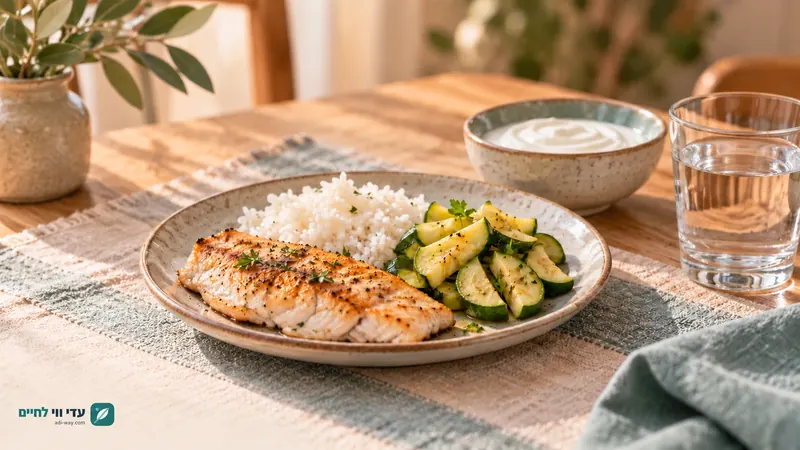
Less hunger does not mean fewer nutritional needs
GLP-1-based medicines affect hunger and fullness signals. The British National Health Service explains that semaglutide reduces appetite and prolongs fullness. Tirzepatide acts on both GLP-1 and GIP receptors, as Britain's medicines regulator, the MHRA, explains. Both medicines can also affect stomach emptying.
These changes can make smaller portions easier, but they do not remove nutritional needs. A day consisting of coffee, a few crackers, and an untouched dinner deserves attention even without hunger. The aim is not to force down a large plate, but to find a workable eating pattern.
Distinguish comfortable fullness from feeling nauseated whenever food appears. The first may reflect the treatment's intended effect. The second calls for discussion, rather than assuming that eating as little as possible means greater success.
Gut side effects are recognized, but deserve attention
The NHS lists nausea, vomiting, constipation, and diarrhea among common semaglutide side effects. Official FDA information on tirzepatide also includes abdominal discomfort and indigestion. Guy's and St Thomas' NHS Foundation Trust explains that slower movement of food can accompany nausea and heartburn. Experiences differ.
Record the symptom, its timing, and what it prevents you from doing. Nausea that prevents lunch is more useful information than saying your stomach feels wrong. Do not assume every new pain comes from the medicine, or wait for a routine appointment when symptoms worsen or compromise intake.
Do not change doses, treatment intervals, or another medicine because of a dietary adjustment. Treatment decisions belong with your prescriber. Ask whom to contact if problems develop between appointments.
A smaller meal can still be balanced
Dietary guidance for managing side effects from Guy's and St Thomas' suggests smaller, more frequent meals and simple foods during nausea. Large or particularly fatty meals may be harder to tolerate. Treat this as a starting point, not a universal menu.
For example, prepare a modest meal with egg or tofu, a familiar starch, and cooked vegetables instead of an intimidatingly large plate. Leave room for another eating opportunity later. If cooking smells are difficult, see whether cool or room-temperature food is easier, while following food-safety rules.
Keep a manageable fallback for difficult days: something familiar that takes little effort to prepare. It should not become a permanently narrow diet. Persistently limited choices are worth discussing with a dietitian, even when weight is falling.
Protein matters, but protecting muscle takes more
A 2025 joint advisory from four professional organizations in nutrition and obesity medicine emphasizes adequate nutrition and resistance exercise during GLP-1 treatment. Weight loss can include lean tissue, which is not exclusively muscle. Body weight alone therefore cannot describe the quality of the change.
Include a familiar protein source at eating opportunities: eggs, fish, poultry, yogurt, tofu, or tolerated portions of legumes. Our protein guide for low appetite discusses manageable food volumes. Individual requirements depend on factors including age, health, and kidney function; there is no single target for everyone here.
Notice daily function too. Is standing from a chair, carrying groceries, or completing familiar activity getting harder? That does not diagnose muscle loss, but it is worth reporting. Strength exercise should suit your abilities and health. Protein alone cannot replace appropriate movement.
Fluids and constipation: look at the whole day
The MHRA warns that vomiting and diarrhea can lead to dehydration. Create regular opportunities to drink instead of relying on remembering at meals. If a large drink feels uncomfortable, discuss whether smaller sips throughout the day are easier. Follow individualized fluid restrictions for heart or kidney disease.
With constipation, your team may review fluids, food, fiber, movement, and other medicines. Do not suddenly load an already bloated gut with bran, seeds, and a large salad. Any fiber increase should reflect tolerance and professional advice, especially with bowel disease or existing dietary restrictions.
A brief record of bowel movements and what you managed to eat and drink can help. Persistent or painful constipation warrants advice instead of independently choosing medication or supplements.
Reflux also raises questions about timing
Guy's and St Thomas' advises avoiding lying down soon after eating when these symptoms occur. Consider whether dinner is disproportionately large because you went for hours without food. Adjusting its size and remaining upright afterward may form part of your plan.
Our heartburn and reflux guide covers meal and sleep habits. There is no trigger list everyone must follow. Record your own pattern rather than excluding every food mentioned online. Persistent reflux, painful swallowing, or difficulty swallowing needs medical review.
What to bring to your doctor or dietitian
Describe actual eating, including difficult days. Mention bowel disease, reflux, fluid restrictions, and other medicines. If you receive diabetes treatment, ask how reduced food intake fits your glucose-monitoring plan, especially with medicines that can cause hypoglycemia.
Useful questions include whether intake is adequate, how to follow strength and function, whether deficiency testing is appropriate, and what to do when symptoms prevent meals. Supplements should address an identified need, rather than a standard shopping list for everyone taking these medicines.
Symptoms that should not wait for a new menu
Severe, persistent abdominal pain, particularly pain spreading to the back, needs urgent medical assessment. So does repeated vomiting with inability to keep fluids down, markedly reduced urination, or feeling faint. Food adjustments are insufficient when dehydration or a serious reaction is possible.
Breathing difficulty or swelling of the tongue or throat requires immediate medical help. For nonemergency problems that limit eating, contact your team early. Nutrition during treatment should support energy, strength, and everyday life, as well as changes on the scale.
This is general information and is not a substitute for personal advice from a doctor or dietitian.