Treating Inflammation with Proper Nutrition: What Promotes It and Which Foods Are Recommended
Adi Way Editorial TeamPublished:
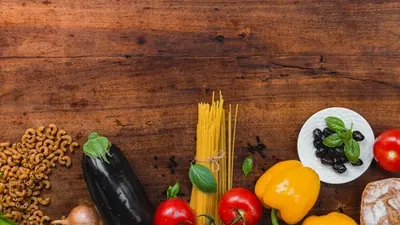
How can nutrition affect inflammation in the human body? Which foods are known to stimulate inflammatory activity? Which foods are recommended to avoid inflammation? We have prepared a detailed guide to treating inflammation with proper nutrition.
You probably know that every food affects inflammation positively or negatively. Most of us live with various inflammations without noticing them, but when inflammation worsens and flares, we face pain, discomfort, and a risk of chronic disease. A healthy, appropriate diet including anti-inflammatory foods is therefore recommended, and understanding inflammation and how food can help treat it matters.
What is inflammation in the body?
Inflammation is a natural process, arising when the immune system responds to a harmful stimulus such as pathogens, radiation, toxic substances, and more. When it identifies an invading contaminant, an internal and intracellular protective response begins. Inflammation manifests as allergies, joint pain, pain, fever, mood changes, and more.
The response starts in a focused area and, without timely treatment, spreads elsewhere. Untreated inflammation becomes chronic and multisystemic, lasting months to years.
The connection with nutrition
Western diets are inadequate because foods contain substances known to provoke inflammation. These include preservatives, food colorings, flavor enhancers, trans fats, artificial sweeteners, and more. Western processed and industrial foods are known to be calorie-rich but nutritionally poor, so high consumption puts us at risk and increases inflammation.
Many residents of Western countries, including Israel, are overweight. The Western obesity epidemic harms health, and researchers have found that excess weight triggers inflammatory processes because fat cells release proteins promoting inflammation. A flare directs substantial bodily resources toward the inflammatory process, impairing metabolism and the efficiency of other important functions. With inflammation, nutrition therefore deserves attention: beyond weight loss, increase anti-inflammatory foods to support the body and avoid inflammatory responses and the risk of serious diseases.
Treating inflammation through dietary change
Dietary change can significantly reduce the body's inflammatory response, ease pain, and prevent inflammation from developing and spreading. New studies explore proper nutrition's relationship with inflammation, including arthritis. Experts say proper nutrition can treat inflammatory processes and improve health.
For example, a 2004 study by Harvard University researchers found a direct association between a Western diet rich in processed red meat, sweets, fried food, and processed grains and high levels of inflammatory protein (CRP), cytokine protein, and interleukin 6 protein.
If characteristic symptoms such as swelling, fever, redness, and pain appear, consult specialists about dietary changes. This can control inflammation and prevent a long list of serious chronic diseases, including heart disease, cancer, diabetes, arthritis, and others.
Add anti-inflammatory foods to your daily and weekly diet, such as:
- Fresh fruit and vegetables.
- Omega 3 (deep-sea fish such as salmon and tuna), flaxseeds, and so on.
- Nuts, almonds, and seeds (sunflower, pumpkin, black sesame, and others).
- Whole grains such as quinoa, brown or wild rice, buckwheat, and millet.
- Legumes such as all types of beans, peas, lentils, soy, chickpeas, and more.
- Seasonings known as anti-inflammatory, such as ginger root, curry, and turmeric.
Information courtesy of Herbalife experts: balanced nutrition and a healthy lifestyle
This is general news information and is not a substitute for personal advice from a doctor or dietitian.