Tips for Maintaining Dental Health During Orthodontic Treatment
Adi Way Editorial TeamPublished:
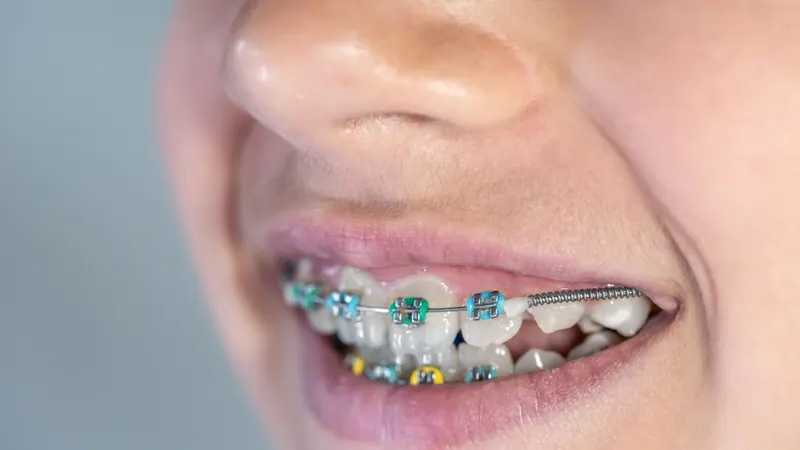
Orthodontic treatment is a lengthy process requiring careful oral hygiene. Bacterial plaque tends to accumulate around the orthodontic appliance during treatment, potentially leading to cavities, gum inflammation, and other problems. Maintaining a thorough, regular cleaning routine throughout orthodontic treatment is therefore very important.
General tips for maintaining dental health during orthodontic treatment:
Careful oral hygiene:
Brush your teeth twice a day:
Use a soft toothbrush and fluoride toothpaste.
Brush every tooth surface, including areas around the orthodontic appliance.
Use the correct brushing technique (consult your dentist or hygienist).
Recommended brushing time: at least 2 minutes.
Floss once a day:
Remove bacterial plaque and food debris between the teeth.
Use interdental brushes for more effective cleaning between brackets and braces.
Various types of floss are available; choose the one suitable for you.
Dental visits:
Your dentist will perform a comprehensive examination, remove tartar, and check that treatment is progressing as planned.
More frequent visits may be necessary in some cases.
A healthy diet:
Reduce sticky, sugary, and acidic foods.
Eat fresh vegetables and fruit, whole grains, and proteins.
Drink water regularly.
Caring for the orthodontic appliance:
Clean the appliance daily:
Use a soft toothbrush and mild soap.
Clean all appliance parts, including brackets, braces, and archwires.
Special cleaning tablets can also be used.
Ask your dentist or hygienist how to clean the appliance correctly.
Caring for elastics (if applicable):
Remove elastics before eating.
Clean elastics thoroughly before putting them back.
Replace elastics as your dentist instructs.
Avoid chewing the elastics.
Managing pain and sensitivity:
Using nonprescription pain relievers:
Ibuprofen or acetaminophen (paracetamol) can ease pain.
Use these medicines as directed.
Using a special gel:
A gel containing a numbing agent can be applied to the gums.
The gel can ease pain and sensitivity.
Using orthodontic wax:
Soft wax can cover brackets and braces to prevent friction and sores.
Ask your dentist or hygienist how to use orthodontic wax.
Attend every dental appointment.
Tell your dentist about any problem or change you experience during treatment.
Be patient and follow your dentist's instructions.
Use an electric toothbrush:
Electric toothbrushes are more effective at removing bacterial plaque.
Choose an electric toothbrush with a small head and soft bristles.
Ensure it is suitable for use with an orthodontic appliance.
Use mouthwash:
Mouthwash containing fluoride or chlorhexidine can strengthen teeth and prevent gum inflammation.
Choose a mouthwash suitable for use during orthodontic treatment.
Use mouthwash as directed.
Avoid hard foods:
Hard foods can damage the orthodontic appliance.
Cut hard foods before eating.
Avoid sticky foods, such as toffee and dried fruit.
Avoid acidic drinks:
Acidic drinks, such as cola and orange juice, can damage tooth enamel.
Drink these beverages through a straw.
Rinse your mouth with water after acidic drinks.
Use a night guard:
If you grind your teeth, using a night guard is important.
A night guard protects your teeth and the orthodontic appliance.
Maintain medical follow-up:
Your dentist will check progress and make necessary adjustments.
Tell your dentist about any problem or change you experience during treatment.
Be patient:
Orthodontic treatment is a lengthy process.
Be patient and follow your dentist's instructions.
The results will be worth the wait.
Treating particular problems during orthodontic treatment:
Particular problems requiring treatment may arise during orthodontic care. Here are several examples:
1. Cavities:
Causes:
Difficulty cleaning around the orthodontic appliance.
Reduced saliva production.
Consuming sugary and acidic foods and drinks.
Treatment:
White or gray fillings.
Preventive care, such as fluoride toothpaste and mouthwash.
Maintaining careful oral hygiene.
Recommendations:
See your dentist promptly if you notice signs of decay, such as pain, sensitivity, or white spots on your teeth.
Brush twice a day and floss once a day.
Reduce sugary and acidic foods and drinks.
2. Gum inflammation:
Causes:
Bacterial plaque accumulation around the orthodontic appliance.
Weak gums.
Treatment:
Professional cleaning by a dental hygienist.
Using toothpaste containing chlorhexidine.
Antibiotic mouth rinses.
Recommendations:
Clean your teeth and gums thoroughly.
Use interdental brushes between brackets and braces.
See your dentist promptly if you notice gum inflammation signs, such as redness, swelling, bleeding, or pain.
3. Breakage of the orthodontic appliance:
Causes:
Strong pressure on the appliance.
Eating hard foods.
An accident.
Treatment:
Repair by the dentist.
Replacement of damaged parts.
Recommendations:
Avoid hard foods.
Be careful with activities that may damage the appliance.
See your dentist promptly if you notice a break in the appliance.
4. Pain and sensitivity:
Causes:
Pressure on the teeth and jaw.
Changing archwires or elastics.
Treatment:
Nonprescription pain relievers.
Numbing gel for the gums.
Orthodontic wax.
Recommendations:
Take pain relievers as needed.
Use numbing gel before eating or after changing archwires or elastics.
Use orthodontic wax to cover brackets and braces and prevent friction and sores.
5. Speech difficulties:
Causes:
The orthodontic appliance changes tongue and tooth positions.
Treatment:
Speech exercises.
Appliance adjustment by the dentist.
Recommendations:
Practice speaking in front of a mirror.
Read aloud.
Talk with patient, supportive people.
See your dentist if speech difficulties persist over time.
6. Cosmetic problems:
Causes:
The appearance of the orthodontic appliance.
Treatment:
Clear aligners (such as Invisalign).
Lingual braces.
Recommendations:
Discuss cosmetic treatment options with your dentist.
Remember that orthodontic treatment will ultimately produce a beautiful, healthy smile.
7. Reduced self-confidence:
Causes:
The appearance of the orthodontic appliance.
Feeling socially uncomfortable.
Treatment:
Social support.
Focusing on the benefits of orthodontic treatment.
Recommendations:
Talk to friends and family about your feelings.
Join a support group for people undergoing orthodontic treatment.
Remember that orthodontic treatment is temporary and will significantly improve your quality of life.
Conclusion:
Careful oral hygiene, a healthy diet, and regular dental visits are the key to maintaining dental health during orthodontic treatment. Following this article's tips can help ensure successful treatment and allow you to enjoy a healthy, straight smile.
This is general news information and is not a substitute for personal advice from a doctor or dietitian.