
Safe Driving Starts with Your Body: What to Check Before Setting Off
Fatigue, a new medication, or pain that makes turning difficult can change a trip before the first traffic jam. Alongside checking the vehicle, check the driver: recognize when better preparation is possible and when to postpone departure or stop.
Adi Way Editorial TeamPublished:
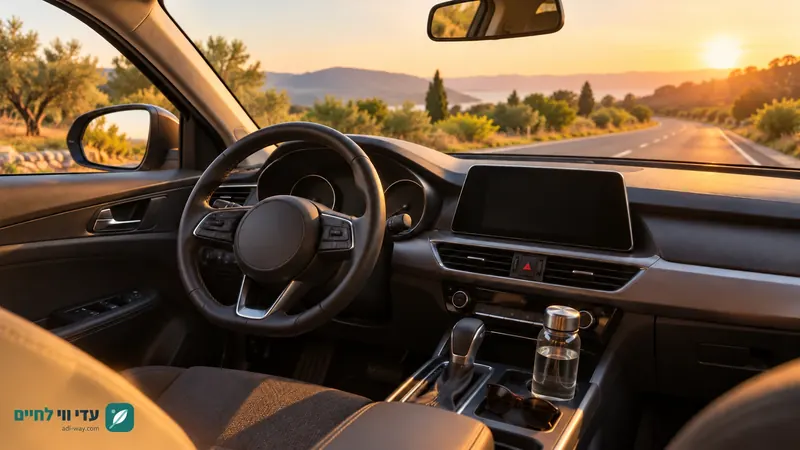
We adjust mirrors almost without thinking. We sometimes dismiss a short night's sleep with coffee. But a roadworthy car does not compensate for difficulty staying awake, seeing clearly, or concentrating. Before starting the engine, pause and check how you feel now, not how you hoped to feel when you chose your departure time.
Drowsy driving: do not wait until the route ends
Difficulty keeping your eyes open, wandering attention, or drifting from your lane calls for immediate action. You do not need to nearly fall asleep before deciding to stop. Find a designated safe stopping place, such as a parking lot or service station, rather than a road shoulder reserved for emergencies.
The US road safety agency, NHTSA, emphasizes adequate sleep as the foundation for preventing drowsy driving. Coffee may temporarily make you feel alert, but that feeling does not guarantee your ability to drive has returned. An open window and music are no substitute for sleep and stopping either.
A short nap somewhere safe may help temporarily. If you still struggle to stay awake afterward, do not continue: switch to an alert driver, arrange another way to travel, or postpone the trip. Plan breaks on long drives, but stop earlier if your body signals the need. Recurrent daytime sleepiness or sleepiness affecting your routine warrants a medical appointment, as recommended by Britain's NHS.
Food and fluids: plan the next stop too
A heavy meal can leave you drowsy. The British driver licensing agency's information leaflet mentions sleepiness after a large meal; this does not mean every meal impairs driving. If a familiar food leaves you sluggish or sleepy, do not schedule it just before a long drive.
Bring water and plan somewhere to eat and drink comfortably. This avoids searching for a rolling bottle or opening packaging when your eyes should be on the road. Adjust fluid intake to your needs and any personal medical instructions. No single quantity suits every driver and every day.
With alcohol, the decision is simpler. Israel's National Road Safety Authority says: if you drink, do not drive. Before going out, choose a driver who will not drink or plan another way home. There is no need to calculate how many drinks will leave you feeling fine.
Even familiar medication requires attention
Some sleeping pills, opioid painkillers, antidepressants, and allergy or cold medicines can affect driving. According to NHTSA, even nonprescription products may cause drowsiness or blurred vision. Effects vary by drug, dose, and person.
Read the leaflet and ask a pharmacist or doctor about driving warnings. Pay particular attention when starting treatment or increasing a dose: know how the medicine affects you before returning to the wheel. Drug combinations can matter too, so mention every product you take during the consultation.
Do not stop prescribed treatment to make a trip. Adapt the trip to the instructions: postpone it, use another driver, or choose another way to get there.
The seat is comfortable, but can you see and turn?
Before leaving, adjust the seat and mirrors so you can see well, reach the pedals, and steer comfortably. Britain's Highway Code emphasizes comfort, control, and visibility together. Wear the glasses or contacts you need; if your vision is unclear, do not set off until it has been assessed.
Pain matters for driving when it makes looking sideways, pressing a pedal, or concentrating difficult. Seat adjustments and breaks for gentle movement may improve comfort but cannot resolve every pain. If function is impaired, a small backrest adjustment is no reason to continue as usual.
Prepare the route before the phone starts beeping
Set navigation before driving and silence unnecessary notifications while leaving emergency alerts active. NHTSA includes navigation adjustments, eating, and other activities that divert attention from driving as distractions. A destination change can wait until safely parked or be handled by a passenger.
Route preparation includes fuel or charging, stopping points, and an alternative to congestion. For more on cars and transportation, see Kvishim's car and transportation website.
Leave room for changes on a tense day
Check road updates and Home Front Command instructions for the travel area before departure. Allow extra time, know an alternative route, and do not leave with insufficient fuel or battery range for a detour. If travel can wait and conditions are unsuitable, change the plan.
During an alert, follow current Home Front Command instructions for people in vehicles. Learn them beforehand instead of searching your phone while driving. The driver's emergency-day guide, published in March 2026, offers additional reading on route planning and vehicle preparation. Current orders and official updates during the trip take precedence.
When your gut needs a place in the plan
If you live with a sensitive gut, Crohn's disease, or colitis, mark bathrooms along the route and bring familiar essential supplies. The US Crohn's & Colitis Foundation recommends planning bathroom access and backup supplies when traveling. Expand your preparation with planning travel with Crohn's, colitis, or IBS and the sensitive-gut go-bag guide.
A planned stop is not a failure to keep to schedule. It is part of a schedule that considers the person driving.
This is general information and is not a substitute for personal advice from a doctor, pharmacist, or qualified professional.



