Physical Therapy for Children: Which Treatments Exist, and Who Are They For?
Unfortunately, many children of different ages experience various health problems. As parents, we always want to give our children the best and help them in every possible way with the problems and challenges they face. Pediatric physical therapy now includes several different treatment areas that significantly help countless children in Israel and worldwide.
Adi Way Editorial TeamPublished:
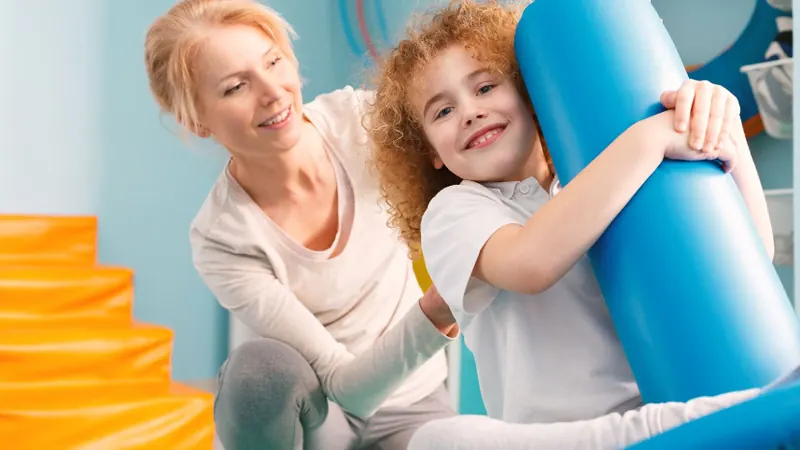
What treatment types and specialties can be found within physical therapy for children? It is important to know these treatments exist and are available in Israel. They may provide considerable relief and help for children with different health problems or sudden injuries:
Respiratory physical therapy for children: many children are born with respiratory problems or develop them during childhood. Asthma is one familiar, common example, but acute pneumonia can also cause breathing difficulties, as can other chronic diseases and conditions. Respiratory physical therapy for children includes techniques and exercises that help children manage their respiratory problems, along with work with parents so they can practice these exercises with their children without the therapist present.
Physical therapy for childhood scoliosis: a substantial proportion of us are born with childhood scoliosis of varying severity. It can be recognized through external appearance, such as shoulders or shoulder blades at different heights or a pelvis tilting to one side. However, a formal diagnosis by a pediatric orthopedist and a posture assessment by a specialist pediatric physical therapist are naturally important. Among physical therapy treatments for childhood scoliosis, it is worth knowing the SCHROTH method, which helps children learn to correct their own posture through exercises and prevent further worsening of scoliosis.
Pelvic floor physical therapy for children: pediatric pelvic floor therapy focuses on children developing difficulties with toileting and bladder or bowel control, such as fecal incontinence, bedwetting, and toilet anxiety. These problems can develop for various reasons, or without a clearly identifiable cause. A physical therapist specializing in this area will try to identify the source of the problem, suggest solutions, and outline a treatment approach that helps the child manage it.
Physical therapy for children with autism: children with autism also often need professional physical therapy and support, depending, of course, on the type and severity of autism and their physical condition. In many cases, autistic children have balance problems, delayed motor development, low muscle tone that makes everyday activity difficult, posture problems, and more. This area of pediatric physical therapy provides significant help in managing these situations.
Physical therapy for recovery after a fracture, most commonly an ankle fracture: children tend to play energetically and therefore get injured more than adults. Children often sprain or fracture an ankle, which can cause developmental problems if not properly treated. Physical therapy designed for these situations includes close monitoring of ankle recovery and work on the area to strengthen it and ensure proper healing and continued normal development.
For a free, no-obligation telephone consultation with an occupational therapist specializing in child development, call 077-9966220. For more information about child-development treatments, such as pediatric physical therapy and speech-language therapy for children, visit our website: www.junior-therapy.co.il.
This is general news information and is not a substitute for personal advice from a doctor or dietitian.