
Iron and Bowel Disease: Fatigue That Another Salad Will Not Fix
Adi Way Editorial TeamPublished:
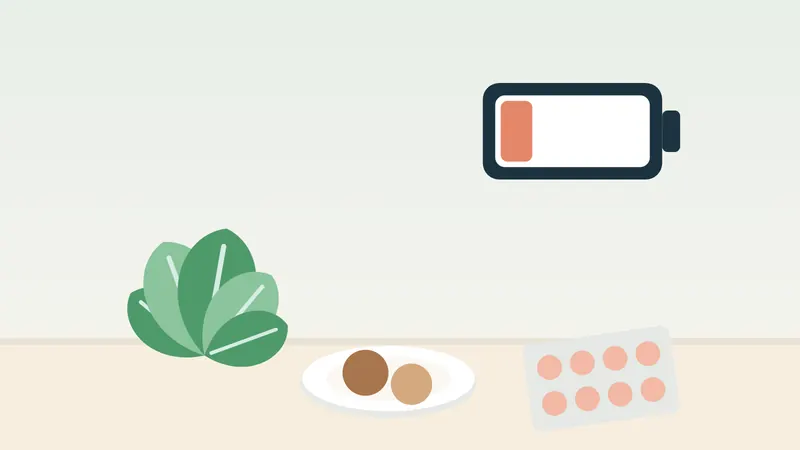
Fatigue is the symptom most easily attributed to stress. Work, children, a short night. Everyone is tired.
In inflammatory bowel disease, fatigue can also be a sign of anemia. Small amounts of blood lost in bowel movements, reduced iron absorption, or inflammation that prevents the body from using the iron it already has. Adding spinach to a salad will not solve this alone. This is exactly where many people delay for months.
Why bowel disease in particular?
Iron-deficiency anemia is common among people with Crohn's disease and ulcerative colitis, for several reasons that work together. Bleeding, sometimes hidden, from the inflamed bowel. Incomplete absorption when disease affects the part of the bowel where iron is absorbed. Poor appetite during difficult periods. And inflammation itself, which causes the body to lock iron away in storage instead of using it.
The result: even someone who eats "properly" can have a deficiency.
How it feels beyond fatigue
Fatigue that does not go away after sleep. Paleness. Breathlessness on stairs you once climbed easily. Palpitations. Cold hands. Headaches. Difficulty concentrating. Each of these alone could mean many things. When they accumulate in someone with bowel disease, they are a reason to request a blood test, not wait for the next checkup.
Which tests belong in the conversation?
A complete blood count, iron, ferritin, and sometimes inflammatory markers. Ferritin measures iron stores, but during inflammation it can rise and give a misleadingly high impression. Reading the results is therefore a job for a doctor familiar with the disease, not an app or a late-night search.
Reporting very dark stools or blood changes the urgency. It is not a detail to leave until the next appointment.
Food versus a supplement
Meat, poultry, fish, legumes, and leafy vegetables provide iron when the gut is calm and appetite is present. Iron from animal sources is usually absorbed better than iron from plant sources, and vitamin C in the same meal may improve plant-iron absorption.
During a flare-up, however, when portions are small, food will not close a gap already visible in laboratory results. Oral iron supplements cause constipation, diarrhea, or abdominal pain in some people. Different preparations are available, as is intravenous iron, which is used fairly often in inflammatory bowel disease. If one preparation is not tolerated, that is a reason to contact your doctor about switching or considering an alternative, not to double the dose or quietly stop.
Tea, coffee, and calcium alongside the pill
Tea and coffee taken close to an iron pill interfere with absorption. High-dose calcium at the same time also competes. A gap of about an hour is a common working rule, but the exact instruction depends on the preparation, so ask your pharmacist.
You do not have to give up morning coffee. You need to move it away from the pill. Other gut medications may also have their own timing instructions. We explain how to organize all these gaps within a day inGut Medications and Food: Timing That Prevents a Wasted Day.
What else is checked when fatigue persists?
Iron is not the only suspect. Vitamin B12, folic acid, and vitamin D are sometimes checked in people with bowel disease, particularly when certain bowel sections are affected or there has been previous surgery. We discuss vitamin D, and why Israeli sunshine is not enough for everyone, inVitamin D in the Israeli Winter.
Iron without a test? No
It is tempting: fatigue, an iron pill off the shelf, problem solved. But taking iron without testing can miss the real cause of fatigue, add unnecessary digestive side effects, and in some people even cause harmful excess iron. Some conditions, including genetic ones, cause the body to store more iron than it needs.
One laboratory number saves a great deal of guessing. With bowel disease, it is part of regular monitoring anyway.
When to repeat the test
At the intervals your doctor sets, not every week on your own initiative. Feeling better often takes weeks after the numbers begin to change. If nothing changes, do not add another brand from the shelf. Check whether the pill is being taken as prescribed, whether bleeding continues, and whether the gut is absorbing it. Three questions, three directions, and none is answered by another salad.
This is general news information and is not a substitute for personal advice from a doctor or dietitian.



