
A Day of Constipation: What Really Gets the Gut Moving, and What Only Irritates It
Adi Way Editorial TeamPublished:
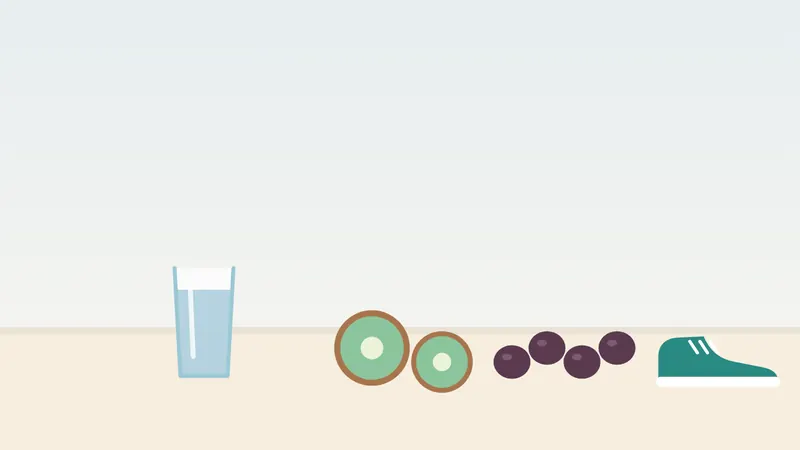
A day without a bowel movement becomes a story. The story becomes straining. The straining becomes hemorrhoids or fear of the next bathroom visit. A day of constipation needs less drama and more boring things that work slowly.
In brief: On a constipated day, do boring things that work slowly: water from the morning, a familiar warm meal, a short walk, and a regular bathroom time. No spontaneous laxative or sudden bran. There are warning signs that mean seeing a doctor.
That same day
Water from the morning, not all at once in the evening. A short walk after a meal, if there is no sharp pain. A familiar warm meal. One coffee if it usually helps, not four. No laxative because "a day has passed," unless a doctor has already established that rule for you. A day of constipation is not automatically an emergency. Nor is it something to force through.
Food
Cooked carrot, a small amount of oats, a fruit you already tolerate, oil in a normal amount rather than revenge frying. Sudden bran in someone who also gets bloated creates a different kind of day, not a solution. If you have the mixed type, the slow day does not get the fast day's diet.
A weekly habit
The same morning time, no phone in the bathroom, feet on a small stool if comfortable. The body learns a time. It does not learn a shout. A constipated day that always follows travel or a shift tells you about conditions, not failure.
Medications that slow things down
Iron, some pain relievers, some gut medications. Do not stop them yourself. Ask whether there is a connection and whether another product is available. Adding fiber on top of a constipating medication without a conversation is fighting on two fronts.
Why the body gets stuck
Constipation is not always a food problem. A change in routine, travel, shifts, less movement, less drinking, medications, stress, and even holding it in when no comfortable bathroom is available. Each can slow the gut, sometimes several together.
Before looking for the right food, ask what changed this week. The answer often comes from the diary rather than the plate.
Vacations do it too. Different hours, different food, unfamiliar bathrooms, and sometimes embarrassment. Many people know constipation on the second day of a vacation. It is not because of the hotel. It is because the gut's routine stayed home. Morning water, walking, and a regular time even on vacation partly restore it.
The bathroom: time, position, patience
The body likes a regular time. For many people, morning is best, around half an hour after breakfast, when the gut wakes up. Do not ignore the urge when it arrives. Holding it teaches the body to stop asking.
Position helps: feet on a low stool, knees above hips, back leaning slightly forward. No phone. Sitting for a long time and straining do not speed things up. They only exhaust you and invite hemorrhoids.
No result after a few minutes? Get up, continue your day, and return when the urge comes again. Prolonged sitting does not speed things up. It only makes the bathroom a place of tension, and the gut feels that.
What to drink
Water throughout the day, not all at once in the evening. A warm morning drink, hot water or tea, stimulates the gut for some people. Coffee, for someone it usually helps, means one cup, not four.
Remember: fiber without fluids may worsen constipation. If you increase fiber, increase drinking too.
What about milk? For some people, a large amount of dairy, particularly cheese, is associated with a feeling of constipation. There is no universal rule. If your diary shows a connection, examine the amount rather than imposing a ban.
Fruits that help, and how
Prunes and kiwi are known to help some people with constipation, with research support as well. Here too, begin with a small amount. Eating an entire box of prunes at once may replace one problem with another.
If you live with irritable bowel syndrome and react to certain fruits, test one at a time and see what works for you.
Pears and apples with their skins, whole grains, and ground flaxseed are also mentioned frequently. Each can be part of the picture. This guide's rule keeps returning: one at a time, in a small amount, with water and a record.
Fiber, slowly and sensibly
Increasing fiber can help constipation, especially soluble fiber. But not in one day or all at once. Someone who suddenly increases bran gets bloating before relief.
We explain how to increase a teaspoon at a time, with a two-week chart, in increasing fiber without blowing up the week.
When the gut changes sides
Some people alternate between constipation and diarrhea. Stalled today, racing tomorrow. For them, the rules of a constipated day do not suit a diarrhea day, and vice versa. A laxative on a stalled day can become diarrhea the next day.
We describe what to do on the opposite kind of day in a day of diarrhea: getting through it without losing tomorrow.
Movement, even a little
Walking for ten to twenty minutes a day helps the gut move for many people. You do not need a workout or a gym. A walk around the neighborhood after dinner, stairs instead of an elevator.
If you sit at a computer all day, get up for a few minutes every hour. The gut does not like a chair any more than your back does.
There are breathing exercises too. Slow, deep breathing that moves the abdomen helps some people relax their abdominal and pelvic muscles while sitting on the toilet. It sounds too simple. For someone inclined to strain, it is sometimes exactly the missing part.
Warning signs
Blood, vomiting, an unfamiliar swollen and painful abdomen, new constipation later in life, weight loss. These call for an evaluation, not a home guide.
Common questions about a constipated day
How many days without a bowel movement are "too many"? Normal varies widely. A change from your usual pattern, and difficulty or pain, matter more. If something has changed, talk to a doctor.
Are laxatives addictive? Ask a doctor or pharmacist about the specific product. Do not start or stop one yourself.
A home enema? Only under medical guidance.
What about children? Constipation is common in children and is sometimes related to withholding. The pediatrician is the right contact, especially with pain or blood.
What if fiber did not help? Perhaps fiber is not the issue, and an evaluation is needed.
What if there is also severe abdominal pain, vomiting, or a very swollen abdomen with no passing of gas? That is not ordinary constipation. It is a reason to seek immediate medical care.
Constipation in pregnancy? Very common, with its own adjustments. Talk to your doctor or nurse before using any product.
The information in this guide is general and is not a substitute for personal advice from a doctor or dietitian.



