Dry Eyes: What Causes the Problem and How It Is Treated
Living with the discomfort of dry eyes can be frustrating, with your vision continually affected by this common problem.
Adi Way Editorial TeamPublished:
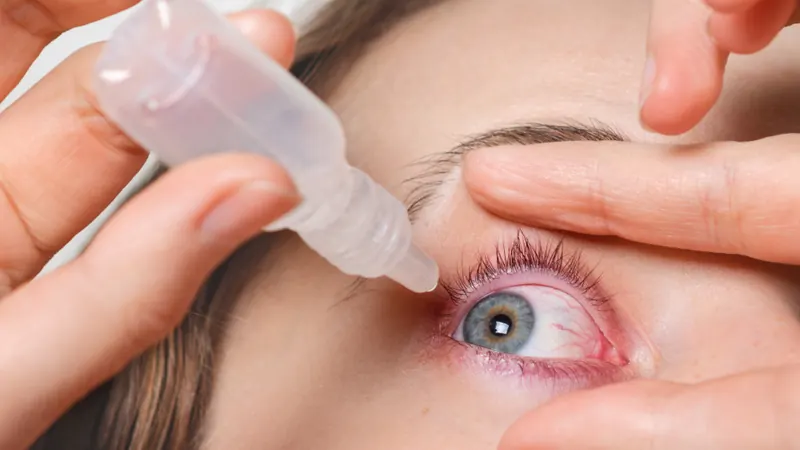
Many people deal with the unpleasant effects of dry eyes and are desperate for relief. Whether caused by age, medication, or dehydration, it is important to understand the causes and how to treat them properly. Renowned ophthalmologist and surgeon Dr. Andrew Fink sheds light on these concerns and shares useful tips for managing dry eyes. Here, we examine the causes of dry eyes and possible treatments.
What causes dry eyes, and can vision be affected?
Dry eyes are a common problem many people experience at some point in life. Understanding the causes and the effects of dry eyes on vision is essential to maintaining good eye health. Dry eyes occur when the tears lubricating the eyes are insufficient or evaporate too quickly, causing discomfort and potential vision problems.
Various factors can contribute to dry eyes. Age plays a significant role because tear production tends to decrease with age. Certain medications, such as antihistamines, antidepressants, and blood pressure drugs, can also worsen dry-eye symptoms. Dehydration, poor nutrition, and environmental factors such as wind, dust, or dry air can reduce tear production.
The effects on vision can range from mild to serious. In some cases, dry eyes cause blurred or hazy vision, making everyday activities harder. Untreated chronic dry eyes can lead to inflammation, corneal damage, and, in severe cases, vision loss. Dry eyes can also make contact lenses difficult to wear and affect quality of life through discomfort and irritation.
Dry-eye treatment: tips from Dr. Andrew Fink, ophthalmologist and surgeon
Dr. Andrew Fink, a well-known ophthalmologist and surgeon, explains that dry eyes often result from a combination of factors, including insufficient tear production, poor tear quality, or external irritants. He therefore emphasizes identifying the underlying cause to find the most appropriate treatment. Here are practical tips from Dr. Fink to help patients manage and reduce dry-eye symptoms:
1. Choose preservative-free eye drops
Preservative-free eye drops can help relieve dry-eye symptoms without causing irritation. Dr. Fink recommends using them as needed, especially during activities that may worsen dryness, such as prolonged screen time.
2. Use artificial tears
Dr. Fink suggests artificial tears to maintain a healthy tear film. They can be used several times a day and have been shown to reduce dry-eye symptoms effectively.
3. Eat a balanced diet and drink enough water
A diet rich in omega-3 fatty acids and other essential nutrients can support tear production, while staying hydrated can naturally help keep the eyes moist.
If dryness persists, Dr. Fink recommends seeing a doctor to assess whether any prescription or over-the-counter medications you take could be contributing to symptoms. In some cases, a simple medication change can dramatically improve the condition.
5. Seek medical intervention when needed
In severe cases, medical intervention may be needed to treat dry eyes effectively. Dr. Fink notes several treatment options, including punctal plugs, prescription eye drops, or even surgery in rare cases. Each patient's individual situation must be carefully evaluated to determine the best course of action.
This is general news information and is not a substitute for personal advice from a doctor or dietitian.